

Lessons From Mt. Everest
The Himalayas taught me about the power of persistence.

Every five or six steps, I bend forward, hands on knees, gasping for breath. My throbbing headache feels like a badger is trying to claw its way out of my forehead. At least now, two hours into the loftiest hike in our high-altitude adventure, we’ve ascended into the sunny part of the trail, and I can finally feel my fingers.
As I slog my way closer to the top of 18,500-foot Kala Patthar, the summit of our three-week Nepal trek, I can think of only one question: What the heck am I doing here?
I find my answer when I turn to the right and gaze 10,500 feet higher, to the top of Mt. Everest … then I slowly push on.
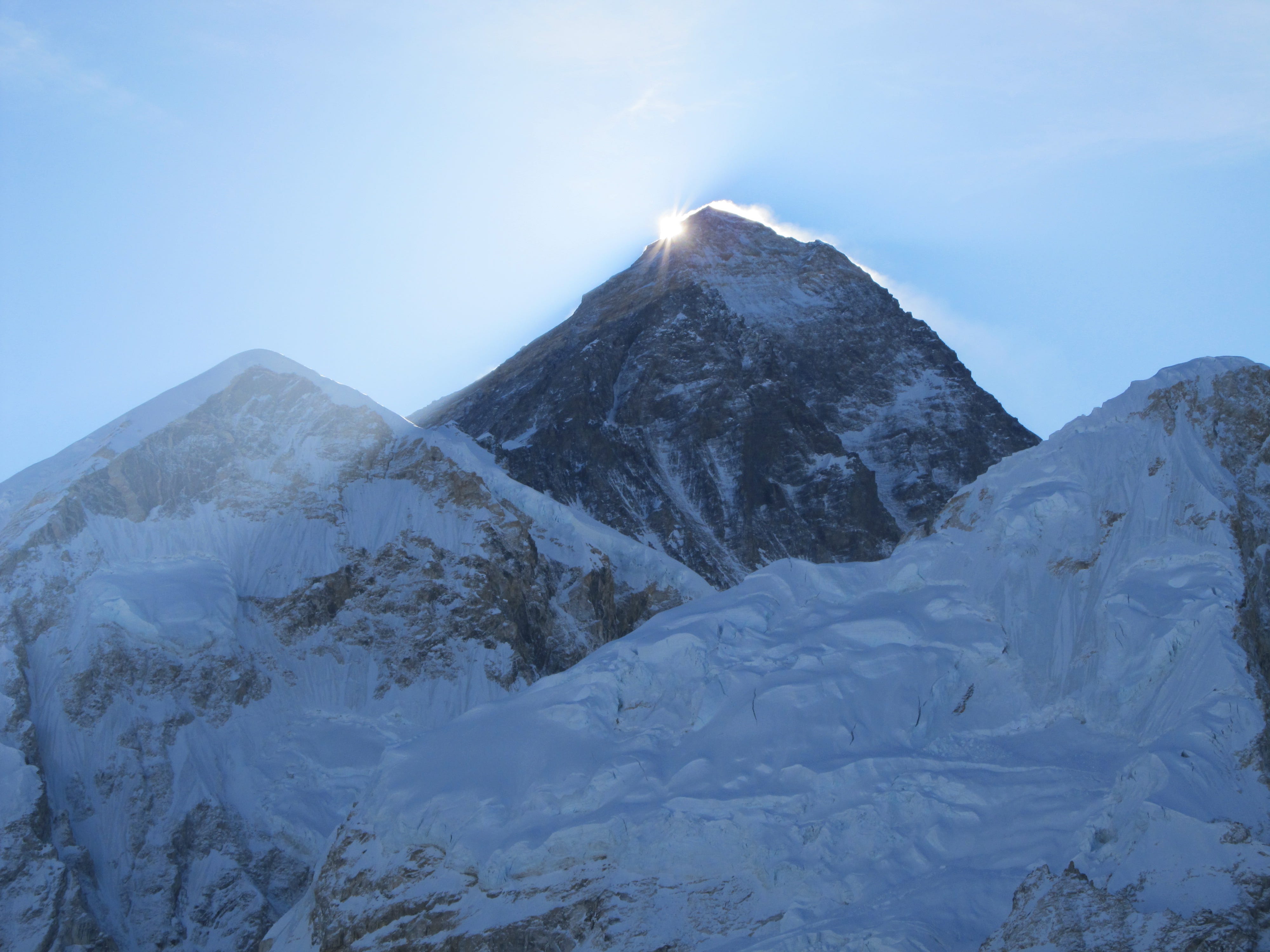
Throughout my 20s and 30s, I’d joined some of the world’s most prominent Himalayan expeditions …
… at least from the comfort of my recliner.
I mentally ascended steep, nerve-jarring glaciers and jumped across yawning crevasses as I devoured a multitude of books that chronicled some of the great climbs in mountaineering history. However, despite being an avid hiker who regularly joined backpacking trips throughout California’s Sierra Nevada range, I knew that any foray into what’s known as the “death zone,” the bone-chilling, oxygen-deprived world above 25,000 feet, wasn’t in my future.
One day in January 2003, I saw a notice advertising a Sierra Club trip to the Mt. Everest region of Nepal. It included a visit to Base Camp, at 17,500 feet, along with a side trip to Kala Patthar, a lower peak offering stunning views of the world’s highest mountain and the surrounding summits. Seeing this as a chance to set aside the mountaineering books and create a real Himalayan story of my own, I signed on immediately.
That March, my trekking group and I landed in Kathmandu, spending a few days touring Nepal’s frantically vibrant capital city before boarding a 20-passenger puddle-jumper to the mountain village of Lukla, home to what is widely regarded as the world’s most dangerous airport, one literally carved into the side of the Himalayan foothills. Once on final approach, pilots have no second chances. Any plane that came in short or overshot the approach would pile into the side of the mountain.
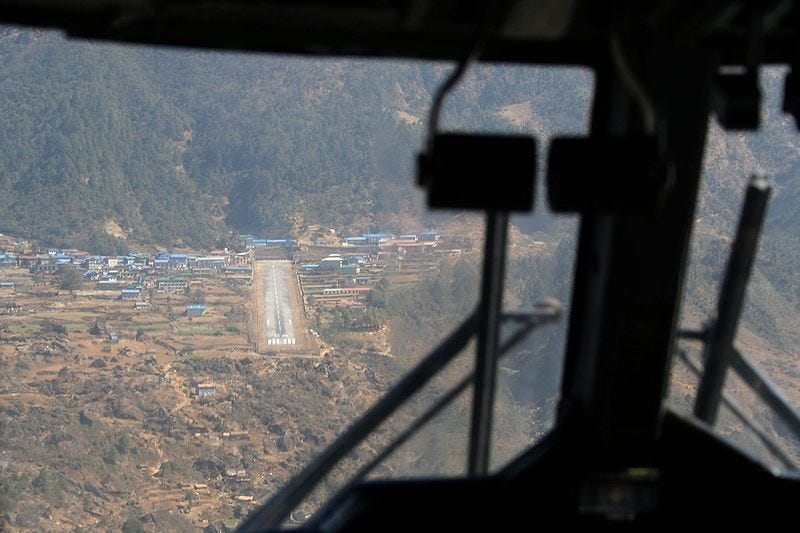
Thankfully, our landing went without a hitch.
Two weeks later, after ascending higher and higher up the Mt. Everest trail, walking in the footsteps of the first climbers to ever ascend the mountain, our group stopped in the village of Lobuche, a common waypoint and, at 16,000 feet, just a day’s hike from Base Camp and Kala Patthar.
That’s when my trip ended.
Because I forgot to breathe.
Some four years earlier, following a lecture by a noted climber (a “rock god” who had climbed both Everest and the even-more-daunting K2), I approached the speaker with a conundrum: The only time I’d ever had problems with altitude sickness occurred when I’d stop – to eat a snack, filter water, set camp and so forth – or while I’d been descending from high on the mountain; I never took ill while climbing.
His feedback: Although I was in great aerobic condition, he said I was a “slow acclimator,” someone whose body doesn’t adjust well at altitude. He suggested that I hyperventilate – inhale and exhale with deliberate, intentional force – while resting and descending.
Doing this seemed utterly ridiculous. But subsequent trips into the Sierra Nevada range proved that the technique worked beautifully.
Back in Lobuche, as I rested in my tent located at 16,000 feet, my world slowly turned upside down. Growing lethargic and nauseous, I soon noticed a slight twinge in my temples ... which eventually led to a splitting headache.
It never occurred to me to try the power-breathing technique I’d learned a few years earlier, one that had been so effective. Instead, I rested in my sleeping bag as the symptoms grew more pronounced.
At some point, I knew that, in order to stay safe at such a high altitude, I had to descend. My adventure was over. I began to cry bitter tears of failure.
Upset and depressed beyond comprehension, I headed down the mountain with one of the porters the following morning.
It would be eight years before I returned to these spectacular mountains, eight years of profound disappointment that only grew through the passage of time. During that period, I couldn’t get the Himalayas out of my mind.
In 2011, I again tried to reach Mt. Everest Base Camp and Kala Patthar. This time I was joined only by Bhala Kaji, my friend and guide, and a porter.
Over 12 days, the three of us ascended slowly, taking in the spectacular Himalayan views as the lush greenery of the foothills eventually gave way to nothing more than rock and ice as we headed higher and higher toward the base of Everest.
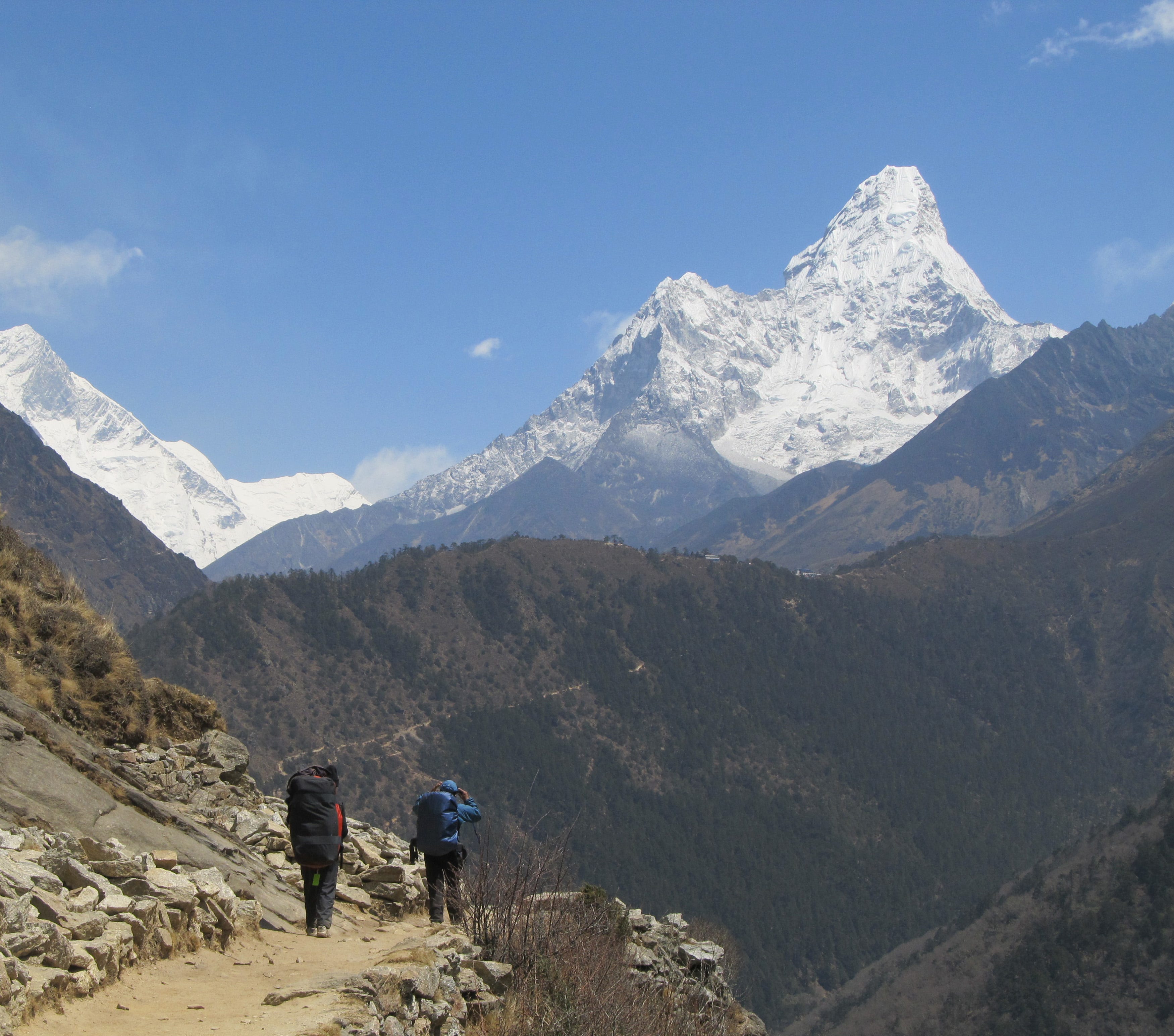
One morning, as I was preparing to head back up to Lobuche, I developed a malady common among Western trekkers: dysentery.
This time I didn’t cry. No, I was livid – at myself for ingesting whatever bug had caused this GI revolt (most likely poorly treated water); at the mountain, for being so heartless and cruel; and at every poor soul in my now-miserable orbit.
Bhala Kaji suggested that we descend for a few days and regroup before heading back up the trail.
“No, Bhala Kaji,” I said. “We’re outta here. I am done with this.”
Two days later, heading down to Lukla and the mountain airport, my symptoms abated. Even then, we could’ve turned around and resumed our journey upward, toward our original destination.
But I chose to leave. My trip was once again finished.
To my pleasant surprise, the following year my employer, a small media company in Orange County, Calif., graciously allowed me to return to Everest, provided I write up an account of my adventure for one of the firm’s magazines.
This time, once again high in the mountains, I remembered the clever suggestion to breathe with deep intensity while resting at altitude. And I was far more meticulous about ingesting clean food and water, committed to staying the course and persisting if my GI system again revolted.
Once Bhala Kaji and I arrived in Lobuche, the village where I’d developed acute mountain sickness years earlier, I began to feel … well, funky. The altitude malady was slowly returning. A sense of dread set in. Here we go again …
This time, my guide suggested something that saved the trip.
“Larry, let’s go for a hike,” he said.
“C’mon, Bhala Kaji,” I protested. “This was the longest day yet. Give me a break.”
“You know what happened the last time you rested here,” he said. “Do you want to turn around? It’s up to you.”
He was right. Muttering to myself, I began to lace up my boots.
The one-hour jaunt higher up the trail before we returned for dinner jump-started my deep breathing. My altitude sickness vanished, and the positive turnaround reminded me to take in as much oxygen as I could. This critical adjustment stayed with me for the remainder of our time high in the mountains.
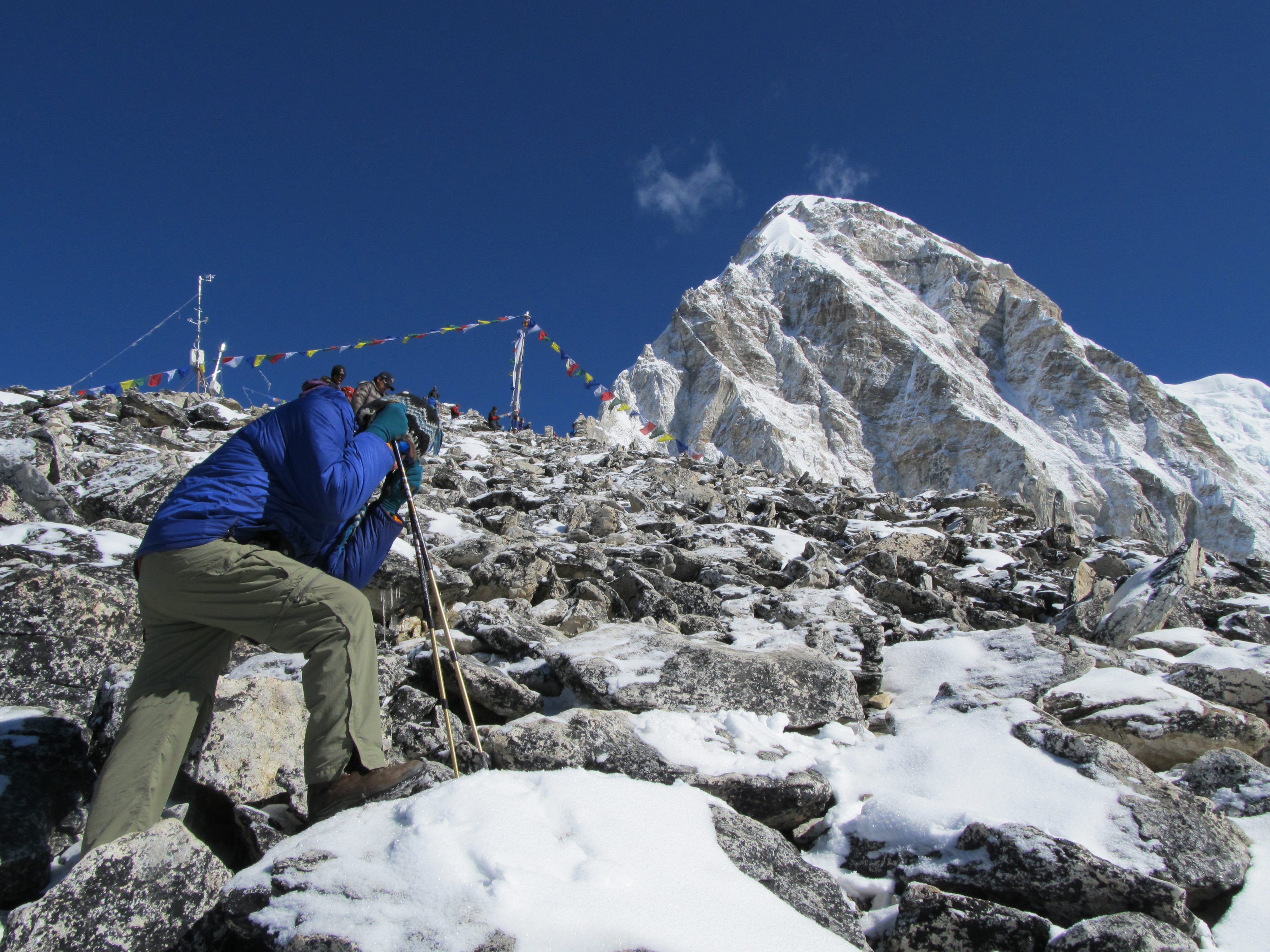
The following day we made it up to Base Camp for a few photos before finally – finally – climbing 18,500-foot Kala Patthar, my own personal Everest. The views, nothing short of spectacular, were matched by my feeling of accomplishment.
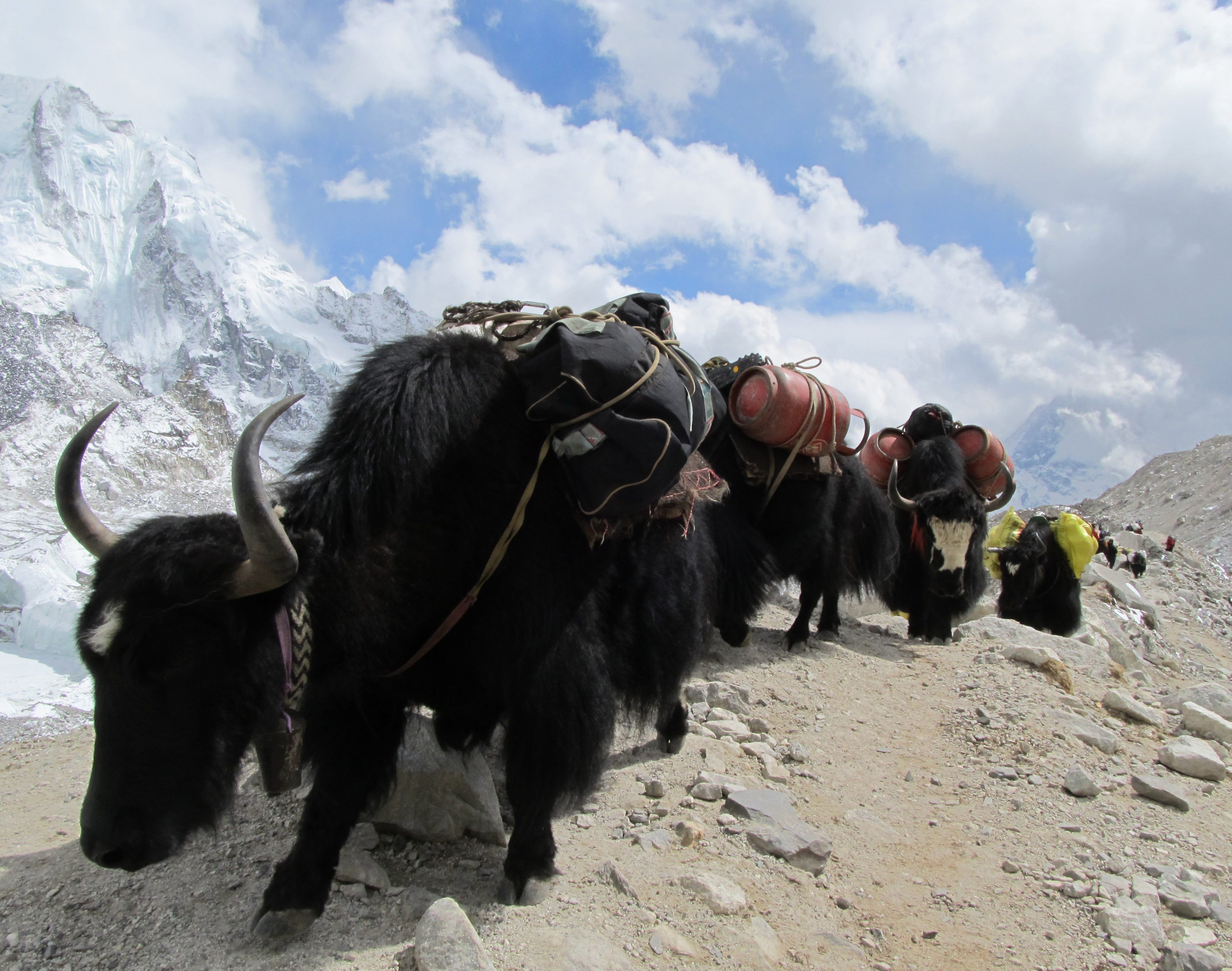
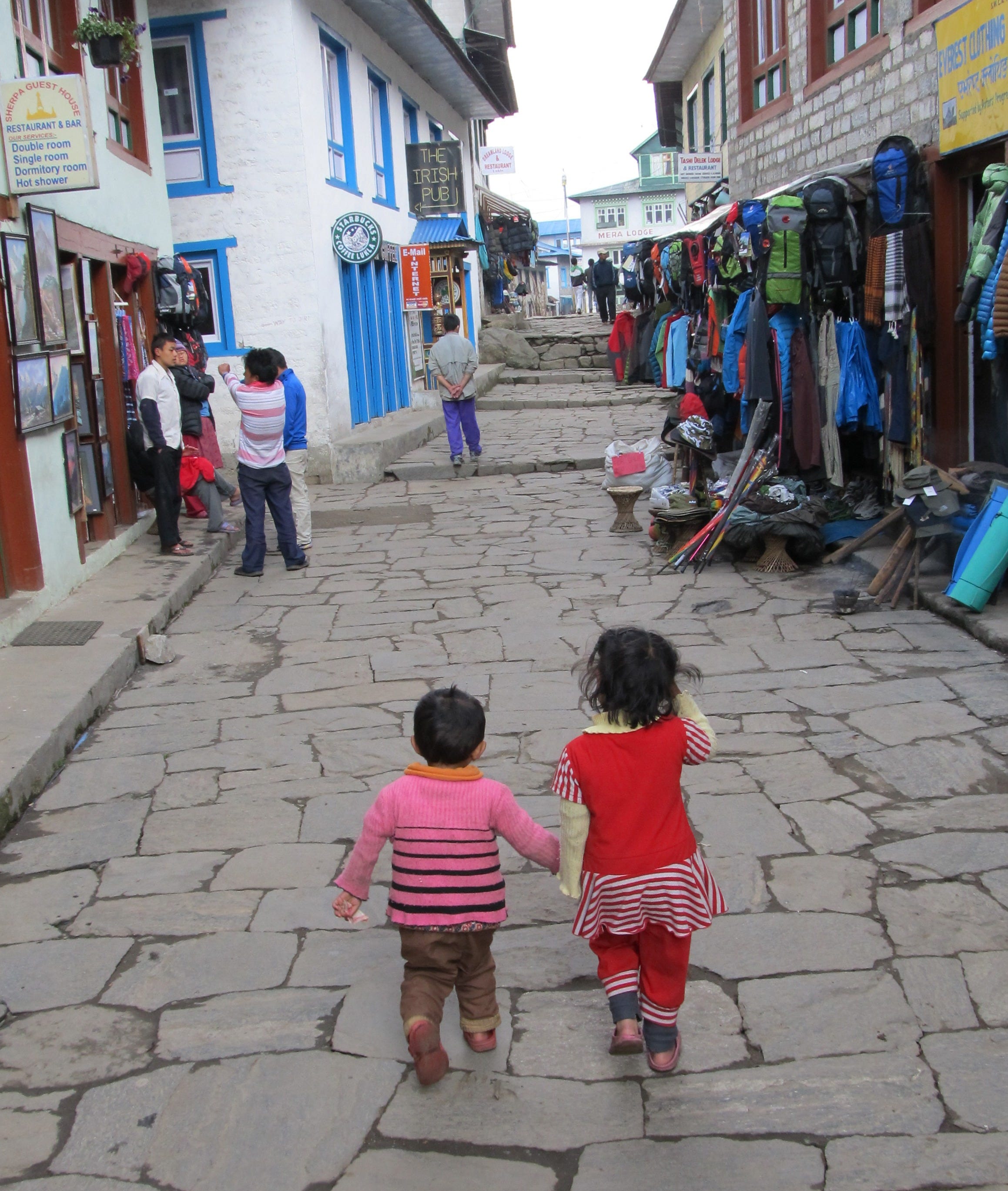
A few additional photos from my Himalayan adventures:
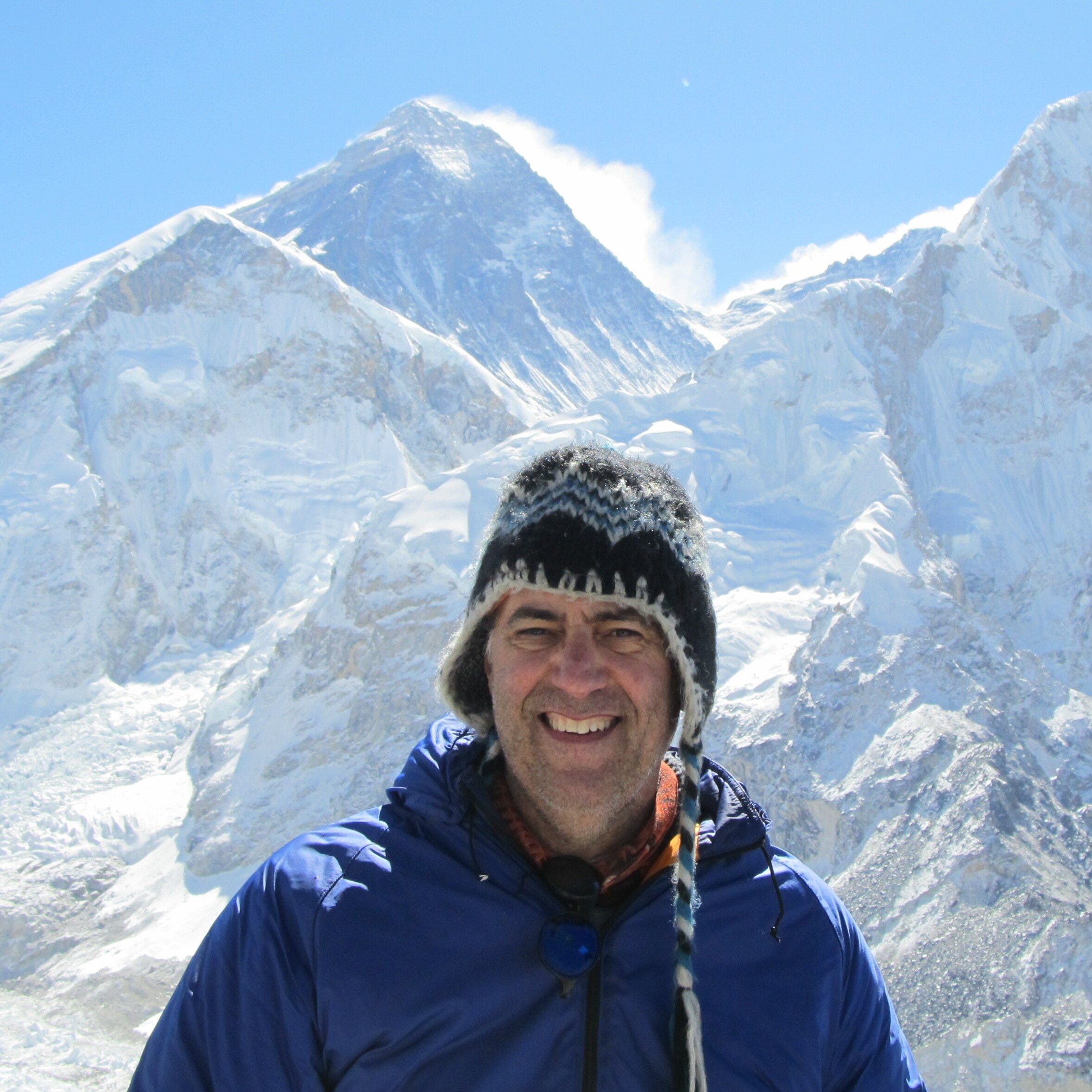
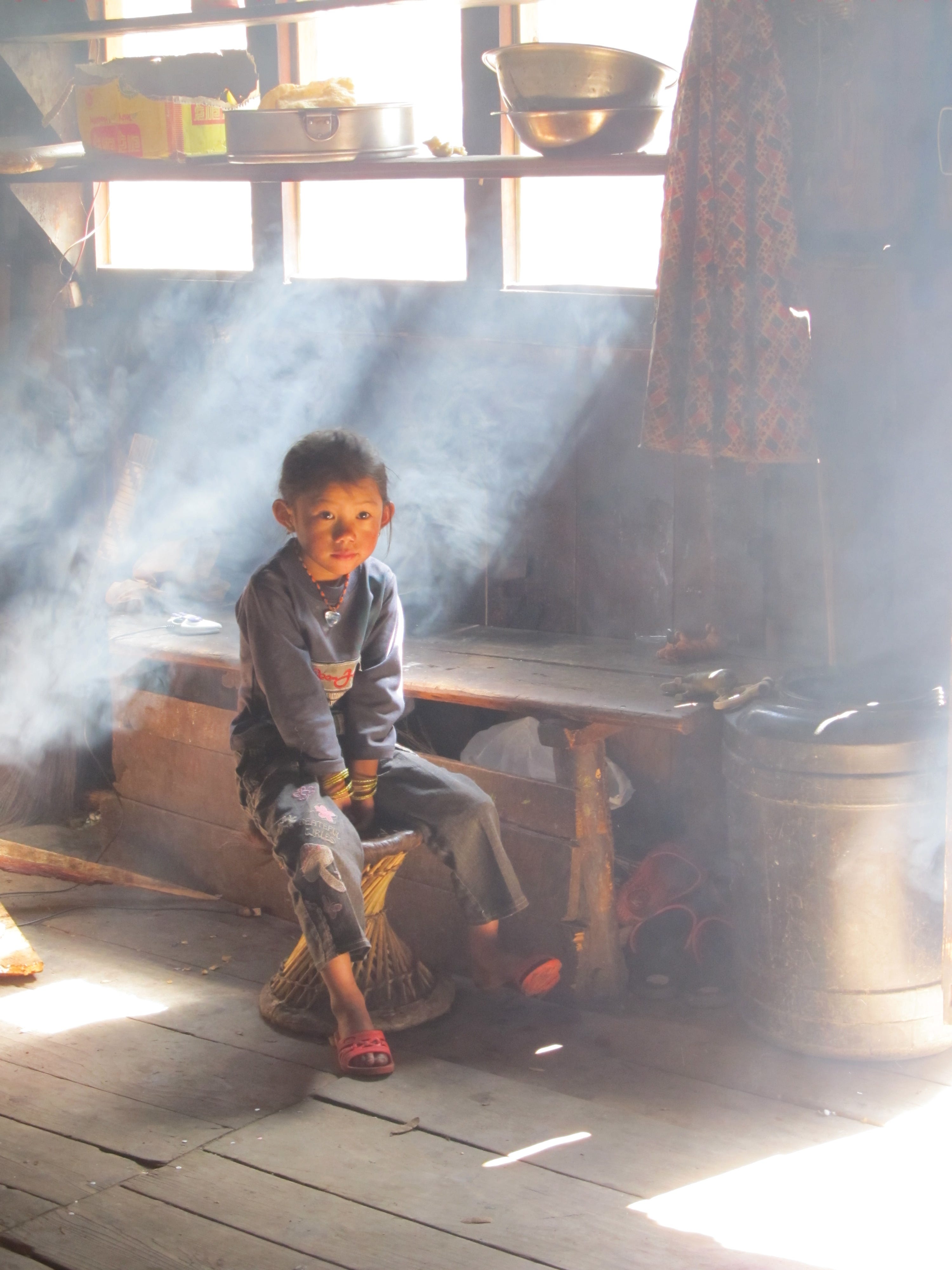
An impressive and amazing adventure, Larry. The photos seal the deal, especially the one that shows Everest behind you (not that I was doubting the veracity of your story) and the topper, that photo of the boy on the kitchen break! It looks like it belongs in National Geographic. I can only imagine how pleased your publisher was with what you had to share for the magazine.
Wow. This is incredible, Larry. I’m late to start the day but could not stop reading. HOOKED. I’m so pleased you made it in the end, you had me worried for a second.
The smoke and light of that photo combined with the boys face is incredible. Wow.